Financial Times: Toyota buys Lyft’s self-driving unit for $550m
Japanese carmaker also has a stake in Aurora, another autonomous vehicle business
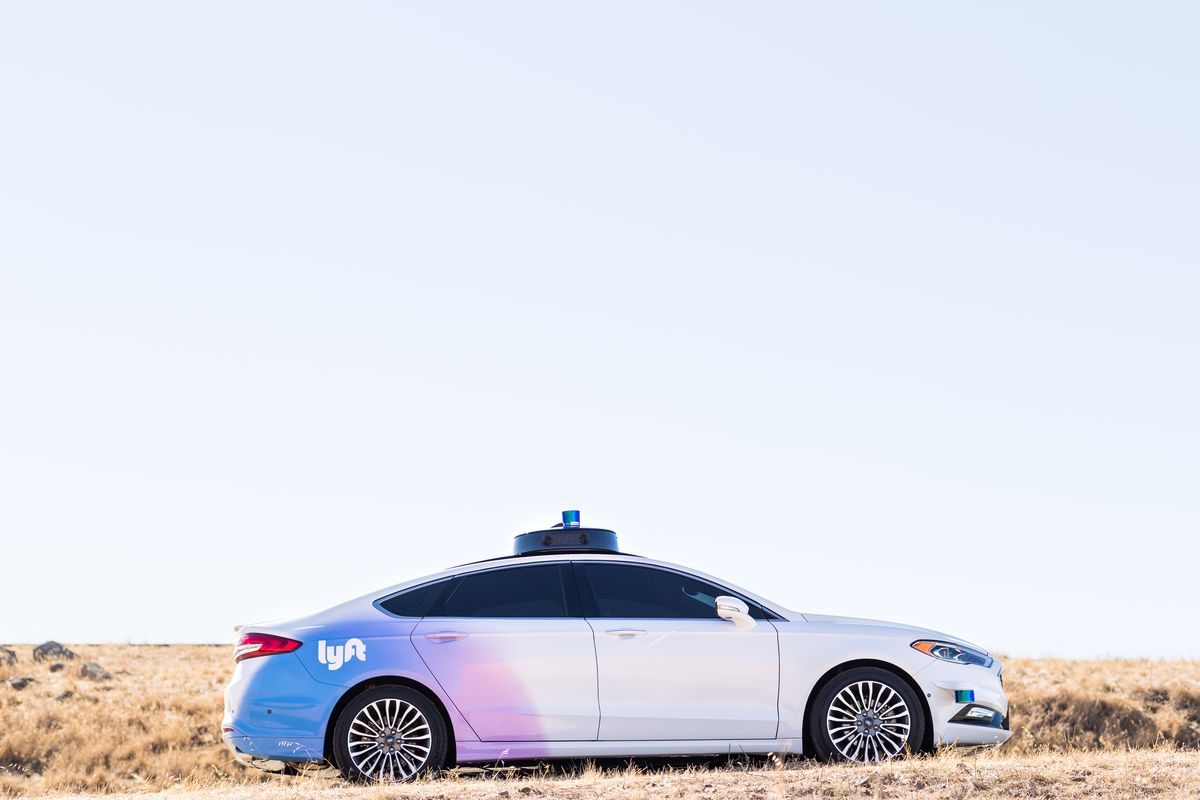
Lyft is selling its autonomous driving unit to Toyota for $550m, in another example of dashed hopes among ride-sharing groups hoping to build a robotaxi network.
The deal expands Toyota’s effort to move beyond pure carmaking into other “mobility services”.
Lyft president John Zimmer predicted in 2016 that driverless cars “will account for the majority of Lyft rides within five years”, but the prediction proved wide of the mark. Zimmer also predicted that by 2025 “private car ownership will all but end in major US cities”.
As of February last year, Lyft has offered more than 100,000 “paid self-driving rides” — enough to claim it hosts “the largest public self-driving commercial platform in the US” — but a safety driver always sat behind the wheel and Lyft struggled to get to the next phase.
Lyft’s exit closely follows that of Uber, its US rival, which in December abandoned its 1,200-person internal effort to build a driverless car and paid rival Aurora $400m to take over the business. Uber is keeping an equity stake.
Toyota said on Monday it would pay Lyft $200m upfront to take over the self-driving unit, a 300-strong group called “Level 5” — an ambitious reference to complete autonomy regardless of weather or geography — and had agreed to pay another $350m over five years.
The unit will be folded into Toyota’s new Woven Planet division, which says it is “on a mission to design a happier planet . . . [by] transforming how people live, move and play through new innovations and investment in automated driving, robotics, smart cities and more”.
Woven Planet houses Toyota Guardian, which creates advanced driver-assist technology, and Toyota Chauffeur, which focuses on full autonomy.
The Japanese group has been cautious about deployment of its own self-driving technology. Earlier this month it launched a Lexus with “Level 2” self-driving capabilities that includes features such as changing lanes.
It had earlier planned to unveil a “Level 4” mobility service van that enables completely driverless operations on predefined routes at the 2020 Tokyo Olympic Games, but this was postponed until later this year due to the pandemic.
Toyota holds a minority stake in Aurora, having earlier invested in Uber’s self-driving unit, and in February it said it would collaborate with Aurora on the rollout of driverless cars.
James Kuffner, chief executive of Woven Planet, did not address any potential conflict between the acquisition of Lyft’s business and its deal with Aurora. Nor did he offer any projections of when the technology might become mainstream.
But he said the acquisition “assembles a dream team” of engineers and scientists”.
For Lyft, a public company since June 2019, the deal removes $100m of annual operating expenses and should “accelerate Lyft’s path” to a long-promised goal of achieving “adjusted Ebitda profitability”, the company said.
Lyft still believes in an autonomous future, but its efforts will be redirected away from making the vehicle and towards deploying and scaling “third party” technology on its network, said Logan Green, chief executive.
“We look forward to continuing to partner with the best autonomous vehicle companies to bring this technology to market,” Green said.